


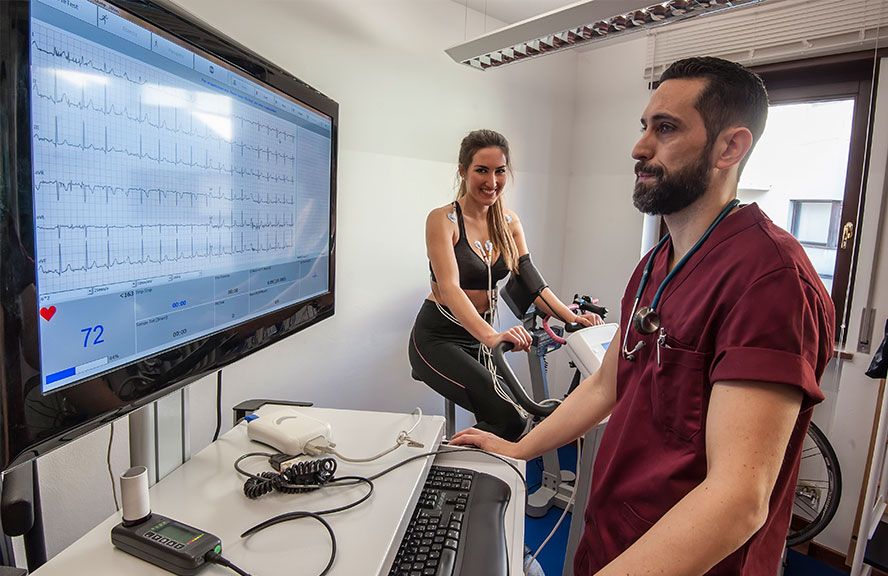
The fatigue test or fatigue test is a relatively simple, painless and bloodless diagnostic method of performing controlled physical exercise under continuous electrocardiographic monitoring on a monitor both during and after exercise. It helps your doctor to assess the subsequent functional disorders of the narrowing of the lumen of the coronary arteries.
Because of the increased oxygen requirements during exercise, ischemic changes on the electrocardiogram and symptoms that may not be observed in some patients with coronary heart disease at rest may occur.
The fatigue test is used:
1) For the detection of coronary artery disease in:
a. people with suspected complaints (precardial pain, palpitations, dizziness, syncope)
b. asymptomatic people over 40 years of age, belonging to special professions (pilots, public transport drivers, etc.)
c. asymptomatic individuals with two or more predisposing risk factors (eg, smokers with diabetes mellitus)
d. patients with recurrent arrhythmias
2) To assess prognosis and therapeutic outcome in patients:
a. with chronic coronary artery disease undergoing conservative treatment
b. who suffered an acute myocardial infarction
c. with a history of coronary artery bypass grafting or percutaneous coronary angioplasty